Bankruptcy and Tax Debt in Arizona
Some income tax debt can be discharged in bankruptcy, and some cannot. Southwest Tax Law reviews the timing rules and your account so you know what is possible before you file or decide not to.
Bankruptcy can discharge some federal income tax debt, but only if the debt meets several timing and filing rules. Other tax debt, such as most payroll trust fund taxes, cannot be discharged, and a federal tax lien that was filed before bankruptcy can survive it.
This is a question where the date of every return and assessment matters, and where the wrong guess can cost you a filing fee and months of effort. We are not a bankruptcy court and we do not replace a bankruptcy attorney. We analyze the tax side of the question so you or your bankruptcy counsel have clear facts. Many of our clients end up resolving the IRS debt without bankruptcy, and some do both. This page explains the rules in plain terms.

Can bankruptcy erase IRS tax debt?
Sometimes. The federal Bankruptcy Code lists which taxes cannot be discharged. For income tax, the rules in section 523 of the Bankruptcy Code and the priority rules that go with it are often summarized as three tests, and all of them must be met for a given tax year.
- The three year rule: the return was due, including extensions, at least three years before the bankruptcy filing.
- The two year rule: the return was filed at least two years before the bankruptcy filing.
- The 240 day rule: the tax was assessed at least 240 days before the filing, with adjustments for events that extend that period.
The debt must also not involve a fraudulent return or willful evasion. Courts apply these tests year by year, and details such as how a late return is treated vary, so this summary is a starting point, not an answer. The United States Courts explain the basics of the process on their page about bankruptcy basics.
What kinds of tax debt cannot be discharged?
Several categories survive bankruptcy. Trust fund taxes that an employer withheld from employees, and the personal liability behind them, are generally not dischargeable, which matters for anyone facing a trust fund recovery penalty or payroll tax debt. Taxes tied to fraud are not dischargeable. Taxes for years where no return was filed are generally not dischargeable under the usual rules, which is one more reason to review unfiled tax returns first. Recent taxes that fail the timing tests also stay.
A federal tax lien is another trap. If the IRS recorded a lien before you filed bankruptcy, the lien can remain attached to property you own even if the personal debt is discharged. Our page on tax liens and the supporting page on lien withdrawal, discharge and subordination explain how liens work and what can be done.
How do I know if my tax years qualify?
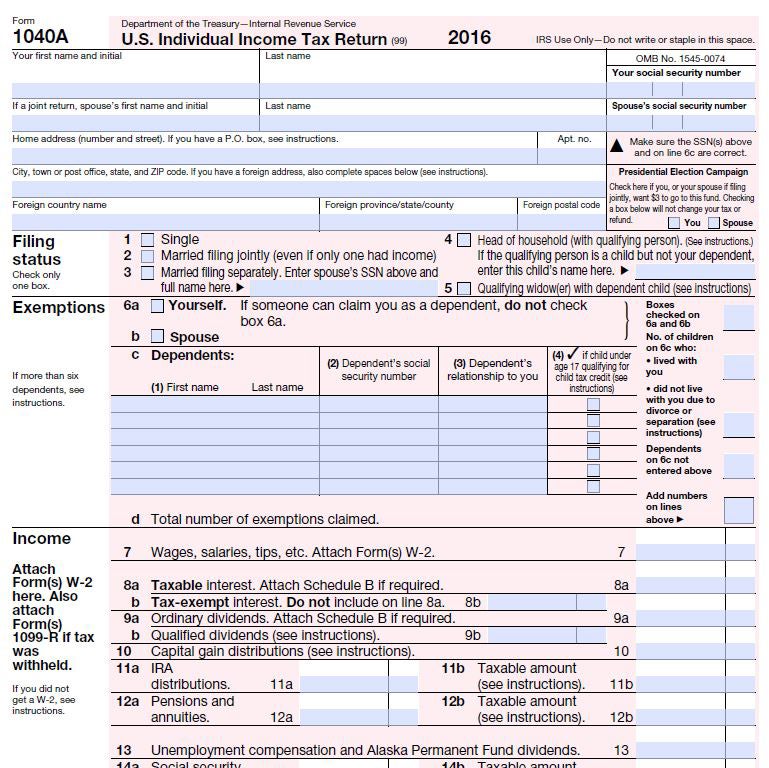
We build a table for each year: the due date, the date the return was actually filed, the assessment date and any events that might extend the periods. Transcripts show those dates. We then apply the tests and flag years that clearly qualify, years that clearly do not, and years that depend on a legal question. If your case involves an audit, an amended return or a substitute return, the answers change. Where a legal question remains, we recommend that a bankruptcy attorney confirm it before a petition is filed.
What does bankruptcy do to the IRS collection clock?
A bankruptcy filing pauses most collection through the automatic stay, but the time the IRS has to collect is also extended while the case is pending, plus an additional period. That is covered by the rules we discuss on our collection statute page. If a year does not discharge, the IRS gets that time back and can resume collection. That is another reason to plan the sequence carefully.
What are the alternatives to bankruptcy?
Many people with tax debt do not need bankruptcy at all. The alternatives we use most often are an installment agreement, an offer in compromise, currently not collectible status and penalty abatement. If a levy or garnishment is already hitting you, read about bank levy release and wage garnishment release, since a bankruptcy filing is not always the fastest way to stop them. Our tax debt relief overview compares the options side by side, and you can read how the IRS may respond to a pending case in revenue officer and collections defense.
Bankruptcy can still be the right tool, especially when you also carry credit card or medical debt along with discharged tax years. Chapter 13 also lets you pay priority tax debt over time through a court plan. We help clients weigh that against an IRS payment plan, and we work with the bankruptcy attorney of your choice. The U.S. Courts bankruptcy resources describe the chapters and the process.
What about Arizona state tax debt?
State taxes follow their own rules in bankruptcy, and Arizona Department of Revenue balances do not always behave like federal income tax. Whether a state debt can be discharged depends on the type of tax and the same kind of dates. Our page on Arizona state tax debt explains how we handle state balances, and any state law question should be reviewed with an attorney who handles bankruptcy matters.
How we help with the tax side
We pull transcripts for every year, prepare the dated table, and give you or your bankruptcy attorney a plain summary of which balances might discharge and which will not. If the answer is that bankruptcy does not help the IRS portion, we turn to the other tools and plan from there. If a dispute with the IRS about whether a debt discharged ends up in front of a judge, we can coordinate with counsel or bring it to Tax Court representation when that forum is the right one.
We do not give bankruptcy advice or promise a discharge. You get a clear picture of your IRS account so you can choose. Southwest Tax Law is based in Tucson, and we serve clients across the state by phone and secure portal. You can find your area on our locations page or request a callback to start with a transcript review.
Questions to ask before filing
Before you file bankruptcy with tax debt in the picture, make sure you can answer a few questions. Which tax years meet the timing rules? Is there a federal tax lien already recorded, and how much property does it reach? Are any of the taxes trust fund taxes? Were all returns filed, and when? Would an offer in compromise or an installment agreement accomplish the same thing without the cost and credit effect of a bankruptcy? And what happens to the IRS collection clock if the case is dismissed? These are the questions we help answer. They matter because a failed bankruptcy can leave you with the same tax debt and fewer options, and because timing can often be improved just by waiting a few months for a deadline to pass. In some cases a short delay turns a non-dischargeable year into a dischargeable one, though the delay also has costs, since interest and collection continue. We lay out the trade-off in numbers.
Who pays attention to what
Your bankruptcy attorney handles the court case. We handle the IRS account, the transcripts and the tax strategy, and we make sure each side has what it needs.
Frequently asked questions
Can I discharge IRS income tax debt in bankruptcy?
Sometimes. The return generally must have been due at least three years ago, filed at least two years ago, and the tax assessed at least 240 days ago, and there must be no fraud or willful evasion. All tests apply to each tax year.
Does bankruptcy remove a federal tax lien?
Not always. A lien recorded before the bankruptcy can survive a discharge of the personal debt and stay attached to your property.
Can payroll trust fund taxes be discharged?
Generally no. Trust fund taxes and the related personal liability are typically not dischargeable.
Are unfiled years dischargeable?
Generally no under the usual rules. That is why we review and file missing returns before deciding whether bankruptcy helps.
Do I need a bankruptcy attorney?
If you file bankruptcy, yes, you should have bankruptcy counsel. We analyze the IRS side and share the facts with your attorney.
What are the alternatives to bankruptcy for tax debt?
Options include installment agreements, offers in compromise, currently not collectible status and penalty abatement. Which one fits depends on your finances.
Ready to resolve this? As the tax attorney team Tucson and Arizona trust, we offer a free consultation with a resolution specialist, available by phone Monday through Friday. Request a callback or call (520) 900-1422.
This page is for general information and is not legal advice. Every tax matter is different, outcomes depend on the facts, and nothing here guarantees a result. Contacting Southwest Tax Law does not create an attorney-client relationship.
Other Ways We Can Help
Visit Southwest Tax Law
Get your free tax debt action plan.
15 minutes with our resolution team. A concrete plan, yours to keep. No obligation, no pressure.