Innocent Spouse Relief in Arizona
When you sign a joint return, you and your spouse are each responsible for all of the tax. Southwest Tax Law helps Arizona taxpayers ask the IRS to limit that responsibility when the problem came from someone else.
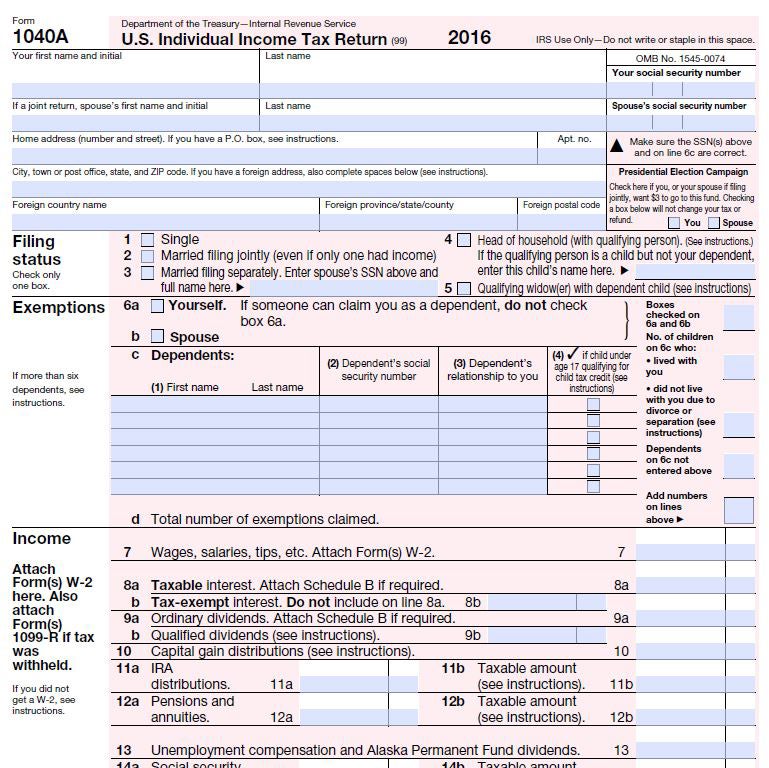
Innocent spouse relief is an IRS program that can remove your responsibility for extra tax, interest and penalties on a joint return when your spouse or former spouse caused the error and you did not know about it. You ask for it on Form 8857. The IRS considers three kinds of relief at once.
The idea behind the rule is simple even though the application is not. A joint return makes two people liable for everything on it, and the IRS can collect the whole balance from either one. That remains true after a divorce, even when the decree says the other person must pay. Relief is the exception, and this page explains how it works, what the three types are and what to expect.
Who can ask for innocent spouse relief?
The IRS says you may request relief if you filed a joint return, the tax was understated because of errors on that return, and you did not know about the errors. The errors it describes are unreported income, incorrect deductions or credits, and wrong values for assets. The IRS innocent spouse relief page also lists what the program does not cover. It applies to tax tied to your spouse's income from employment or self-employment, and not to your own income, household employment taxes, business taxes or trust fund recovery penalties.
You are not eligible for a given year if you signed an offer in compromise or a closing agreement covering the same taxes, or if a court already made a final decision denying relief. If you are weighing an offer, speak with us first, because signing one can end this option. Our page on the offer in compromise covers that program.
What are the three types of relief?
You file one form, Form 8857, Request for Innocent Spouse Relief, and the IRS applies the type you qualify for. You do not have to guess which one fits, though knowing the differences helps you gather the right facts.
Innocent spouse relief
This is the traditional form. It relieves you of tax you did not know about on the return. The test looks at what you actually knew and what a reasonable person in your position would have known. If you knew your spouse had unreported income, or you knew facts that made a deduction unallowable, the IRS treats that as knowledge and denies this type.
Separation of liability relief
If you are divorced, legally separated or no longer living with your spouse, the IRS may allocate the understated tax between you, so that you pay only your share. Under the statute, section 6015 of the Internal Revenue Code, this relief is tied to your marital status and living situation at the time of the request, and it looks at which spouse the unpaid items belong to. Separation of liability is about dividing the extra tax, so it does not help with tax that was reported on the return but never paid.
Equitable relief
When you do not qualify for the other two, equitable relief can apply if it would be unfair to hold you responsible, based on all the facts and circumstances. This is the type people often think of for a balance that was reported but not paid. The IRS weighs factors such as your marital status, whether you would face economic hardship, whether you knew or had reason to know, and whether your spouse had a legal duty to pay. The full list is in the form instructions and in IRS Publication 971, Innocent Spouse Relief.
Does knowing about the errors rule me out?
Not always. The IRS describes an exception for victims of domestic abuse. You may qualify even if you knew about the errors when you were abused or threatened before signing, did not challenge the items on the return because you feared the consequences, or signed under pressure. This is difficult to put in writing, and we handle it carefully. If safety is a concern, tell us on the first call so we can plan around it.
When do I have to ask?
The IRS states that you must request innocent spouse relief within two years of receiving an IRS notice of an audit or taxes due because of an error on the return. Because different types carry different timing rules, we do not rely on that line alone. The form instructions describe when each type must be requested, and we check them against the date of your first collection notice. Do not wait to find out whether you are eligible. File as soon as you learn of the debt.

What happens after Form 8857 is filed?
The IRS reviews the request and contacts your spouse or former spouse to ask whether they want to take part. The agency says review can take six months or longer, and that you should keep filing and paying your taxes as usual while you wait. At the end you receive a letter of determination. Generally both spouses can appeal, and the appeal deadline is 30 days from the date on the letter. If that happens, we handle the next stage through IRS Appeals, and a further challenge may go to the Tax Court.
Will the IRS keep collecting while my request is pending?
Collection from the person who requested relief is generally restricted while the request is being considered, but the rules are technical, and the time the IRS has to collect may be affected as well. If a levy notice arrives anyway, tell us at once, because the response is different from an ordinary collection case. Our pages on wage garnishment and bank levies explain what the IRS can do to accounts and paychecks, and the collection statute page explains how the clock is counted.
What if relief is denied or only partly granted?
Relief is not all or nothing. The IRS can grant it for some tax years and not others, or for part of a balance. If you still owe something, there are other tools: an installment agreement, currently not collectible status or penalty abatement. Our tax debt relief overview shows how those fit together. For an overview of where a joint return problem can lead, including a refund taken for a spouse's debt, see our page on injured spouse relief, which is a different request with a different form.
How we help
We start by pulling your account and wage and income transcripts for every joint year and reading the notices you received. We then map each disputed item to the spouse it belongs to, because that decides which type of relief is strongest. We prepare Form 8857 with a narrative that sticks to documented facts, gather supporting records, and file under a power of attorney so the IRS speaks to us, not to you. If your former spouse is hostile, we plan for that too. As with every matter, we do not promise a result. Southwest Tax Law serves the whole state, and you can find your area on our locations page, or request a callback to talk through your notice.
Frequently asked questions
What is the difference between innocent spouse relief and separation of liability?
Innocent spouse relief removes your responsibility for the understated tax you did not know about. Separation of liability divides the understated tax between you and your spouse, and it requires that you are divorced, legally separated or no longer living together. Form 8857 covers both.
Can I get relief if my spouse reported the income but never paid?
That is usually a balance due, not an understatement. Innocent spouse and separation of liability relief apply to understated tax. Equitable relief may apply to an underpayment, based on all the facts and circumstances.
Does a divorce decree release me from the tax debt?
No. The IRS says you remain responsible for tax on a joint return even if you later divorce or a decree makes your spouse responsible. Only IRS relief, or payment, changes what the IRS can collect from you.
How long does the IRS take to decide?
The IRS says its review may take six months or longer. Keep filing and paying your taxes on time while you wait.
Is there a deadline to ask for relief?
The IRS says to request innocent spouse relief within two years of receiving an IRS notice of an audit or tax due. Other types can have different timing, so check your dates right away.
Will my spouse find out I filed?
The IRS contacts your spouse or former spouse during its review to ask whether they want to take part. Tell us about any safety concern before we file.
Ready to resolve this? As the tax attorney team Tucson and Arizona trust, we offer a free consultation with a resolution specialist, available by phone Monday through Friday. Request a callback or call (520) 900-1422.
This page is for general information and is not legal advice. Every tax matter is different, outcomes depend on the facts, and nothing here guarantees a result. Contacting Southwest Tax Law does not create an attorney-client relationship.
Other Ways We Can Help
Visit Southwest Tax Law
Get your free tax debt action plan.
15 minutes with our resolution team. A concrete plan, yours to keep. No obligation, no pressure.