Tax Lien Withdrawal, Discharge and Subordination in Arizona
Release, withdrawal, discharge and subordination sound alike but do different things. Southwest Tax Law helps Arizona property owners pick the right one and prepare the IRS application.
A federal tax lien can be ended by release, removed from the public record by withdrawal, lifted from one piece of property by discharge, or moved behind another lender by subordination. Each has its own IRS form and conditions, and they solve different problems such as credit, a sale or a refinance.
This page supports our main page on federal tax lien relief. It focuses on the four remedies people confuse, what each one does and does not do, and how to choose. For the difference between a lien and a levy, see our blog post on bank levy versus tax lien in Arizona. The IRS explains the basics on its understanding a federal tax lien page.
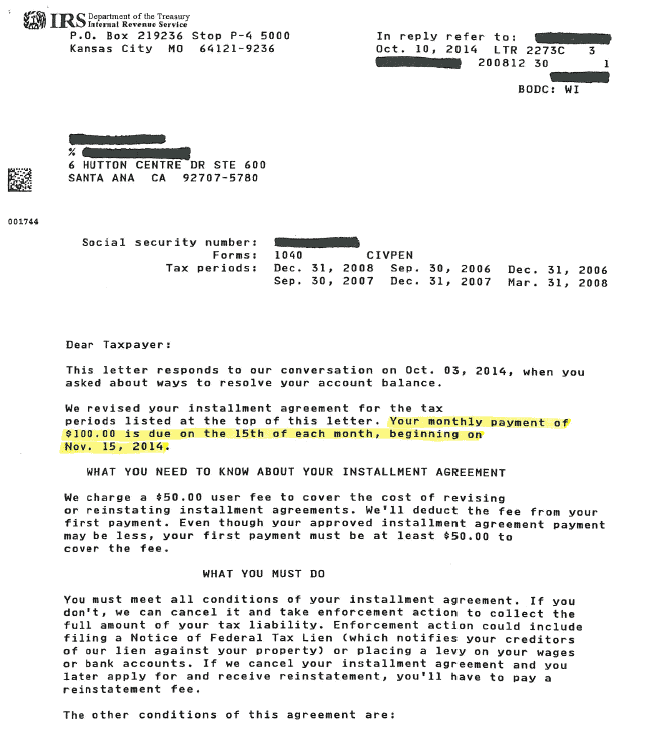
What is the difference between lien release and lien withdrawal?
A release means the lien is gone because the debt is satisfied or can no longer be collected. By statute, the IRS must release a lien within 30 days after the liability is fully paid or becomes legally unenforceable, as provided in section 6325 of the Internal Revenue Code. The release is a public record showing the lien was satisfied. That is good, but the original notice remains in the record, with a release attached.
A withdrawal is different. It removes the Notice of Federal Tax Lien itself, as though it had not been filed, and the IRS can tell credit bureaus to remove it. A withdrawal does not erase the debt or the underlying lien rights. You request it on Form 12277, Application for Withdrawal of Filed Form 668(Y). The form instructions list the situations in which the IRS may withdraw a notice, including when it was filed prematurely or not in line with procedures, when you have entered a direct debit installment agreement under conditions the IRS sets, and when withdrawal is in the best interest of you and the government. Qualifying is not automatic, and the IRS has discretion.
This difference matters for credit. If a lien has been satisfied and you want it gone from the record, a withdrawal request may follow the release. If you have an open balance, a withdrawal may be available only if you meet the conditions, such as a qualifying installment agreement. Credit reporting practices change, so we tell clients not to rely on a score outcome.
What is a lien discharge?
A discharge removes the lien from a specific piece of property while the lien remains on everything else. It is the tool people need when they sell a home or other asset and the buyer or title company will not close with the lien attached. You apply using Form 14135, Application for Certificate of Discharge of Property from Federal Tax Lien, and the IRS explains the program in IRS Publication 783, Instructions on How to Apply for a Certificate of Discharge.
The IRS may issue a discharge in several situations, for example when it is paid the value of its interest from the sale, when its interest in the property has little or no value, or when the property is being replaced by something of equal value. Because the process takes weeks, sellers should apply early, ideally when a contract is signed. An application includes the proposed sale terms, property information and an estimate of liens ahead of the IRS. We help with the payoff figures and coordinate with the title company.

What is lien subordination?
Subordination does not remove the lien. It allows another creditor to move ahead of the IRS in priority. The most common reason is a refinance or a new loan that the lender will not make unless it is first in line. You apply with Form 14134, Application for Certificate of Subordination of Federal Tax Lien, and IRS Publication 784 explains the process. The IRS may approve when it will be paid an amount equal to the interest it is subordinating, or when subordination will make it easier to collect the tax.
Which one do I need?
- Debt is paid and you want proof: ask for a release, and confirm the timing.
- Credit is the issue and you qualify: consider Form 12277 for a withdrawal.
- You are selling or transferring property: apply for a discharge early.
- You are refinancing or borrowing against the property: ask about subordination.
- You cannot pay but want protection while you work out a plan: see tax debt relief.
Does a lien affect a home sale or refinance?
Yes. A recorded notice shows up in a title search, and a title company will want it addressed. A lien attaches to property you own now and later, and its priority against other creditors is shaped by section 6323 of the Internal Revenue Code, which covers when the IRS lien is valid against purchasers and lenders. In practice, if there is enough equity to pay the IRS at closing, the sale can pay the debt and the lien is released. If not, a discharge or a negotiated payoff may be needed. We work with sellers, agents and title officers to keep the sale on schedule.
What if I disagree with the lien filing?
You may have a right to a hearing. When the IRS files a lien, it sends a notice with hearing rights, and the deadline is stated on it. Our page on IRS Appeals and Collection Due Process hearings explains how to use it, including proposing a payment plan or settlement. Disputes about the amount may go further, as discussed under Tax Court representation.
How does resolving the debt change the lien?
The lien lasts as long as the debt does. Paying in full through an offer in compromise or a payment plan leads to a release. Getting a currently not collectible status does not remove the lien. The age of the debt matters as well, and the collection statute page explains when a lien expires. If you are also facing a levy, see bank levy release and wage garnishment release, since the lien and the levy are separate remedies.
How Southwest Tax Law helps
We start by pulling the lien filing, your transcripts and the property records. We tell you which of the four remedies applies, prepare the application and supporting documents, and follow up with the IRS. For a sale, we also coordinate with the title company and the buyer's side so that timelines match. We do not promise that the IRS will grant an application. It evaluates each on its own facts. Our team serves clients across Arizona by phone and secure portal. Start with our main tax lien page, browse all services, or request a callback.
Timing and paperwork tips
Lien applications move slowly, so start before a closing date is set in stone. For a discharge or subordination, the IRS asks for documents such as a copy of the contract or loan commitment, a property description, an appraisal or other value evidence, and payoff statements for the liens ahead of it. Missing items delay the process, and a title company cannot always wait. For a withdrawal, the IRS looks at your compliance, so every required return should be filed and current payments made. Keep copies of everything you send, send it by a trackable method and note the name of any IRS employee you speak with. If a lien notice arrives while a sale or refinance is pending, call us right away, because there may be options that still fit inside your timeline.
Frequently asked questions
What is the difference between a lien release and a lien withdrawal?
A release says the debt was satisfied or can no longer be collected. A withdrawal removes the filed notice itself from the public record. Withdrawal is discretionary and uses Form 12277.
How long does the IRS have to release a lien after I pay?
By statute the IRS must release the lien within 30 days after the liability is fully paid or becomes legally unenforceable.
What is a lien discharge?
A discharge frees one specific piece of property from the lien, usually so it can be sold. You apply on Form 14135.
What does lien subordination do?
It lets another creditor, often a new lender, take priority over the IRS lien. It does not remove the lien. You apply on Form 14134.
Can I sell my house with a federal tax lien?
Often yes. The debt may be paid from the proceeds, or the IRS may issue a discharge. Apply early, since the process takes time.
Will withdrawing a lien fix my credit?
A withdrawal removes the notice from the public record, but credit reporting is up to the bureaus and scoring models, so we do not promise a score change.
Ready to resolve this? As the tax attorney team Tucson and Arizona trust, we offer a free consultation with a resolution specialist, available by phone Monday through Friday. Request a callback or call (520) 900-1422.
This page is for general information and is not legal advice. Every tax matter is different, outcomes depend on the facts, and nothing here guarantees a result. Contacting Southwest Tax Law does not create an attorney-client relationship.
Other Ways We Can Help
Visit Southwest Tax Law
Get your free tax debt action plan.
15 minutes with our resolution team. A concrete plan, yours to keep. No obligation, no pressure.